Search
MEDIA ENQUIRIES Media Contacts About the Wal-yan Respiratory Research Centre Please direct general enquiries to our reception on (08) 6319 1000. Please direct media enquiries to our media team: Hayley Goddard Communications Specialist, Wal-yan
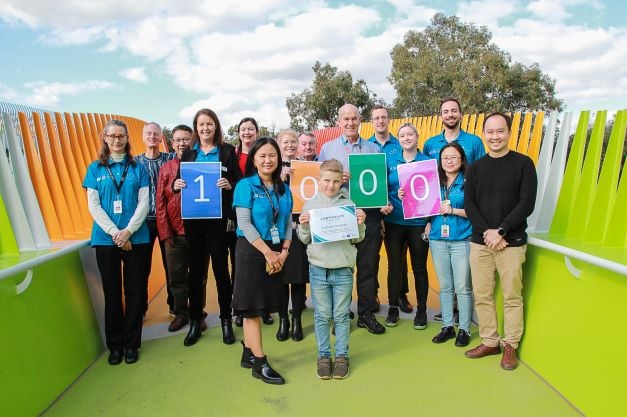
The MAVRIC (Mechanisms of Acute Viral Respiratory Infection in Children) study recently celebrated the recruitment of the 1000th participant to the study, eight-year-old Sullivan Strahan.

Analysis of worldwide research shows that despite advances in neonatal care, preterm babies have lower lung function throughout their life.
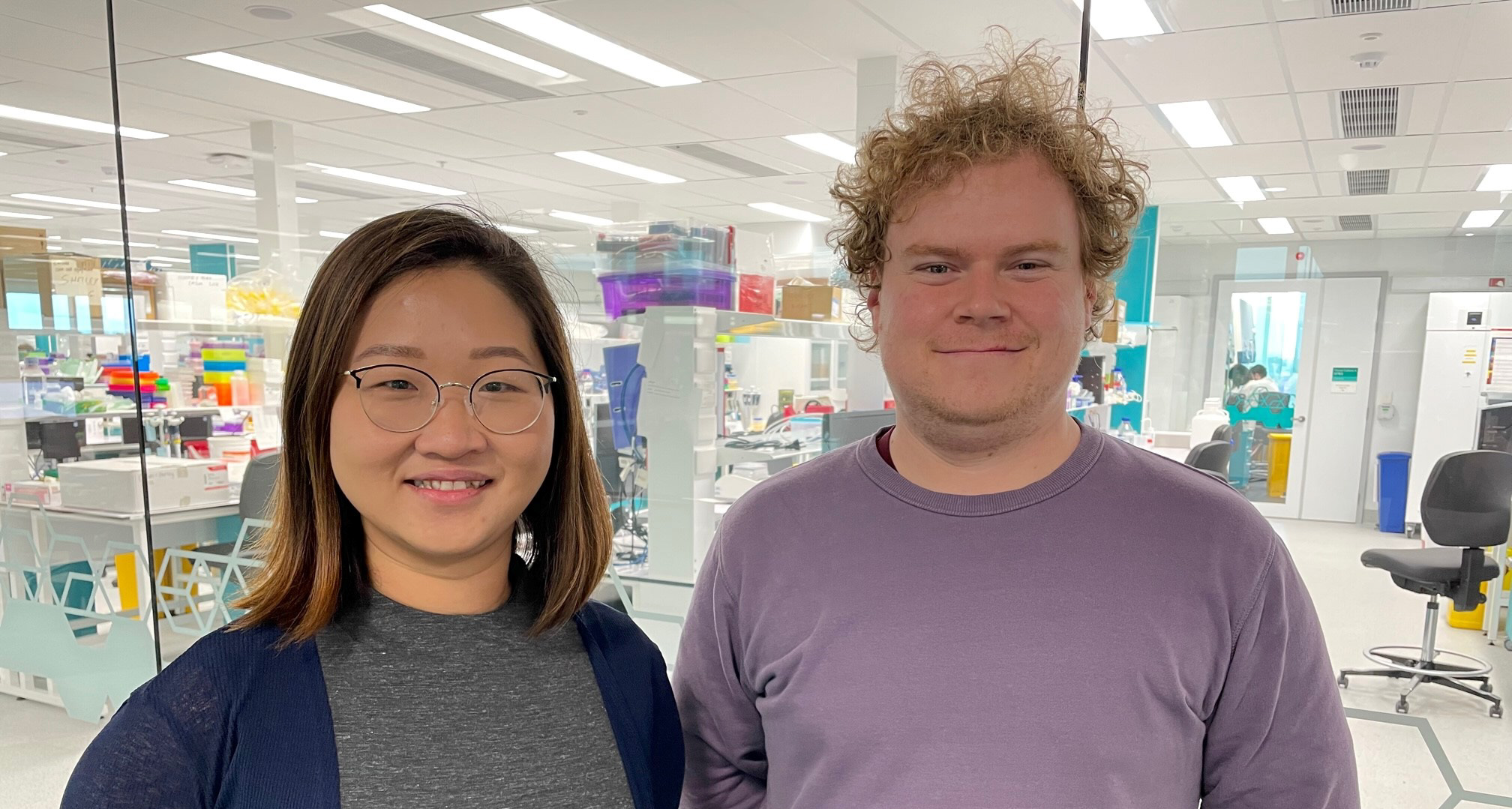
Two outstanding researchers from the Wal-yan Respiratory Research Centre have been awarded Vertex Cystic Fibrosis (CF) Mentored Innovation Research Awards.
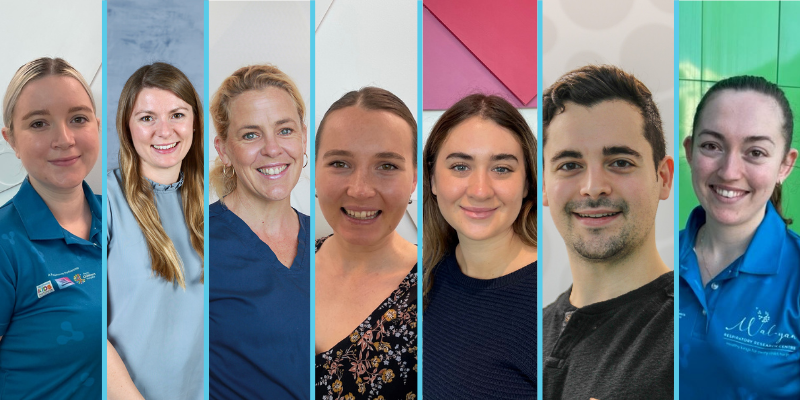
A large contingent of researchers from the Wal-yan Respiratory Research Centre are heading to Spain in September to participate in the European Respiratory Society (ERS) International Congress – the largest respiratory meeting in the world.