
Search
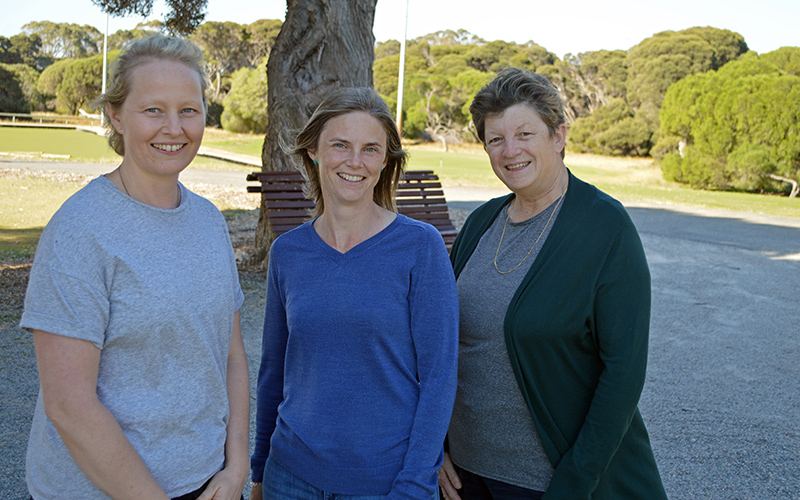
Preterm researchers Dr Shannon Simpson (left) and Professor Jane Pillow (right) with Tony Sparks WA chairperson Amber Bates.
A bold respiratory research project will investigate whether wearable devices could drastically change clinical care for children living with chronic diseases such as cystic fibrosis.

Perth respiratory researchers have discovered that giving an immune booster to mothers during pregnancy could increase their newborns’ resistance to severe and life-threatening respiratory viral infections.

As the Wal-yan Respiratory Research Centre turns two, the Centre celebrates its achievements and thanks everyone involved in the work of the Centre.

Wal-yan Respiratory Research Centre PhD student Niamh Troy has found how OM85 helps babies fight off severe lung infections.