
Search
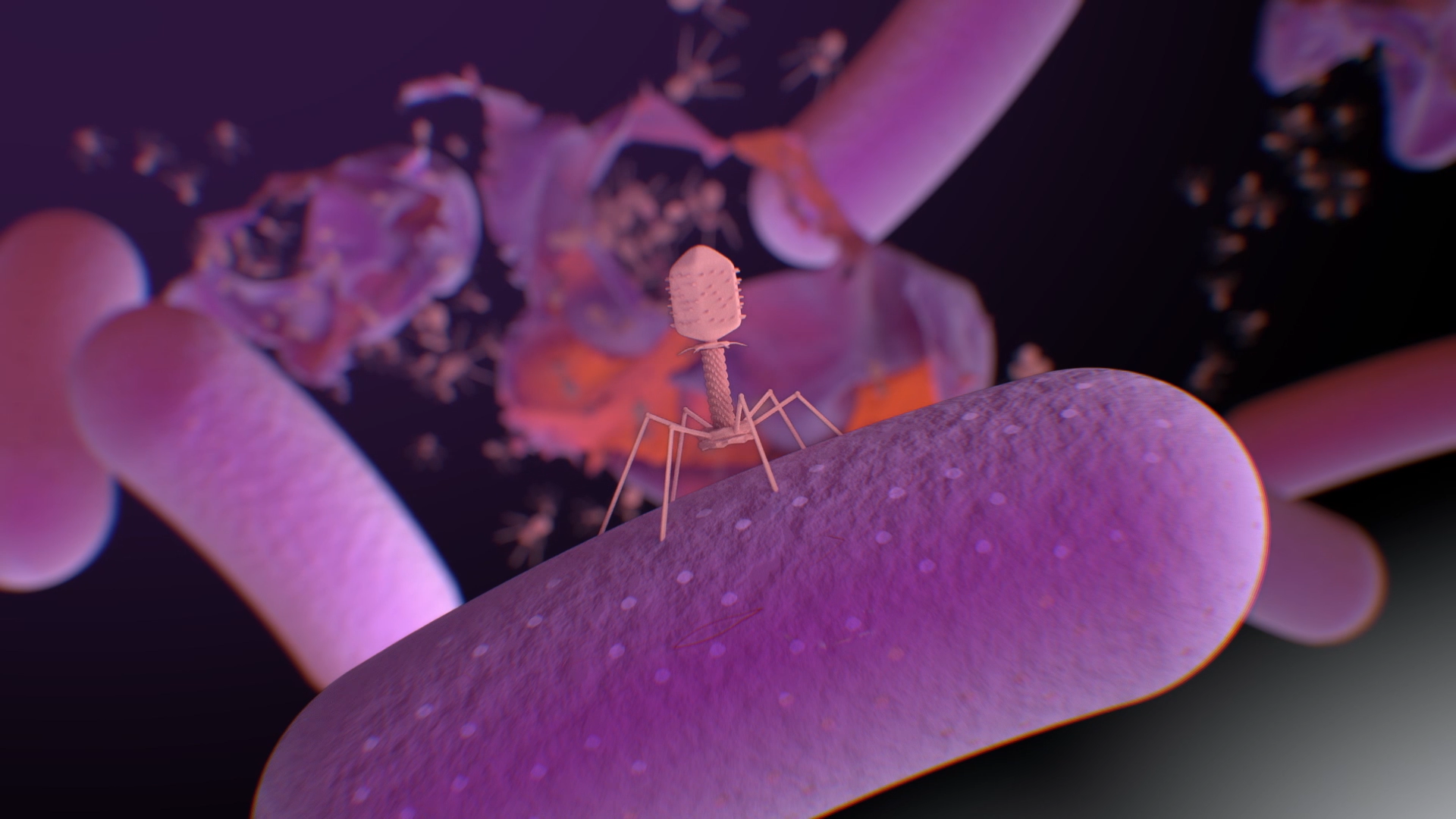
We've compiled a number of helpful links to phage resources in Australia and beyond.
Bronchiectasis is a condition where the lungs become damaged and prone to infections.
The Western Australian Epithelial Research Program (WAERP) is a community cohort biobank that collects and stores airway cells from the upper (nose) and lower (trachea) airways of Western Australian children and adults (1-50 years of age) undergoing non respiratory elective surgery.
The Western Australian Epithelial Research Program (WAERP) biobank is undertaking a number of research projects intended to improve the understanding and preclinical assessment of therapeutics for respiratory conditions.
The Australian Epithelial Research Program (WAERP) comprises of several parties, including our Chief Investigators, Compliance, Scientific and Clinical Teams, and our Student group.